


Evolution of Italian Gentlemen’s Clubs
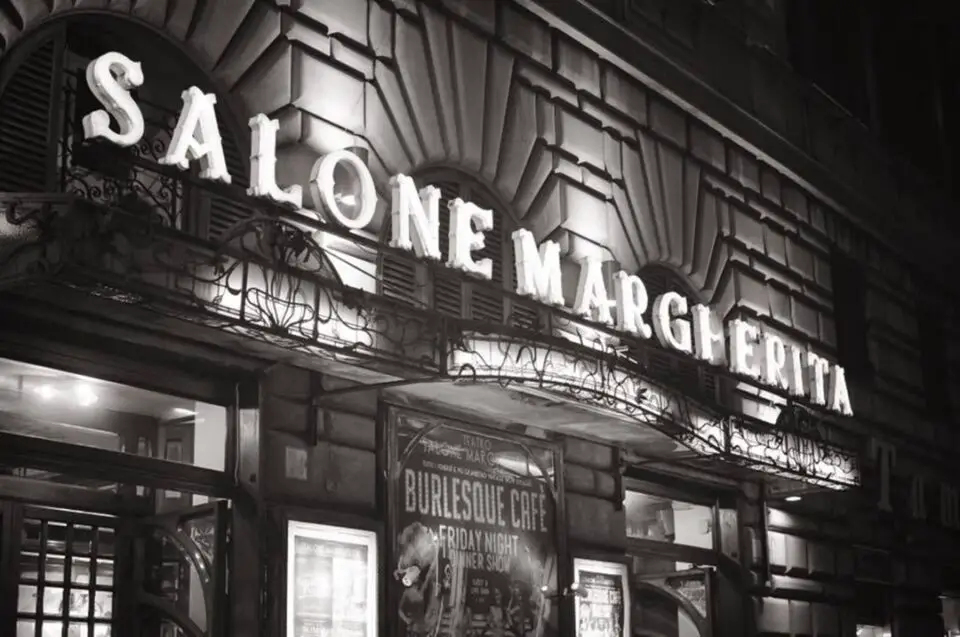
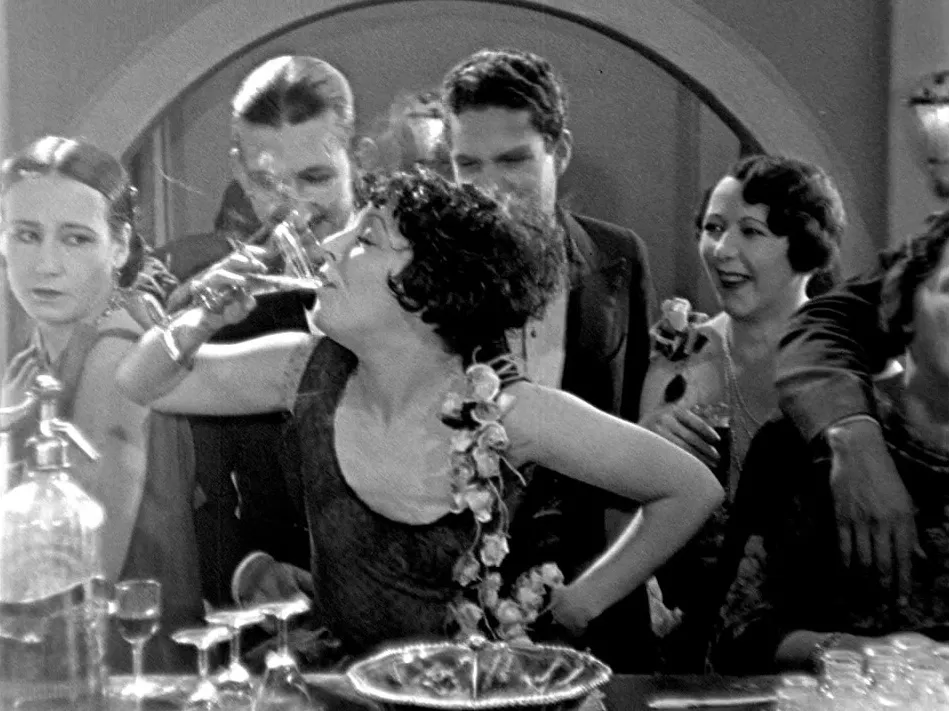
Italian night clubs have their roots in the cabarets and nightlife venues of the early twentieth century, inspired by French café-chantant and German cabarets. During the period between the two World Wars, venues such as the Tabarin in Milan and the Bagaglino in Rome became famous for their variety shows, which combined music, dance and comedy performances. These clubs offered a mix of sophisticated entertainment that appealed to an audience made up of the cultural and social elite of the time. The charm of these venues lay in their ability to create an exclusive atmosphere, where a sense of transgression and freedom could be felt—elements that were particularly valuable during a period of strict censorship.
The 1950s and 1960s: The Golden Age of Night Clubs
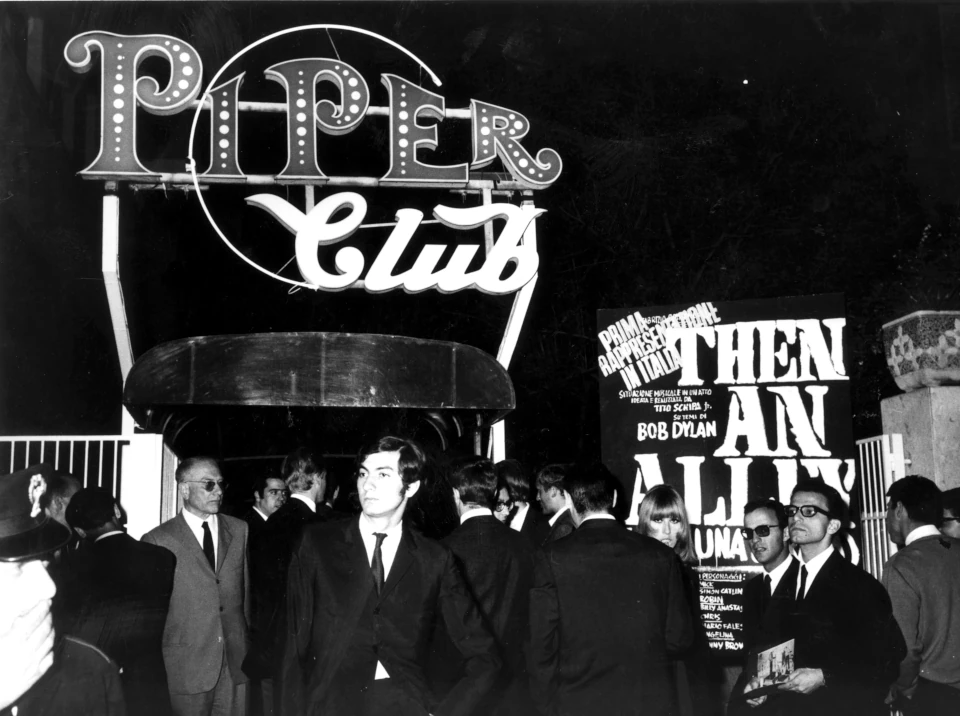
During the 1950s and 1960s, night clubs in Italy experienced a period of great prosperity, fueled by the economic growth of the post-war years and the emergence of a new youth culture. The Roman Dolce Vita made venues such as the Piper Club, opened in 1965, and the Cabala famous, turning them into meeting places for both international and Italian celebrities. These clubs offered high-quality shows that combined music, dance and theatrical performances, attracting a fashionable clientele eager to be part of a social and cultural elite. Evenings at the Piper Club, for example, often featured performances by emerging artists and international bands, bringing a wave of modernity to the Italian music scene.
During this period, night clubs were not only places of entertainment but also true centers of cultural innovation, where new musical and artistic trends began to take shape. In addition to shows, many of these venues offered high-level dining services and a wide selection of drinks, creating a complete experience for their guests. Famous orchestras, such as those led by Renato Carosone and Marino Marini, animated the evenings with performances that skillfully blended tradition and modernity, contributing to a unique and unforgettable atmosphere.
The 1970s and 1980s: The Transformation of the Nightlife Scene
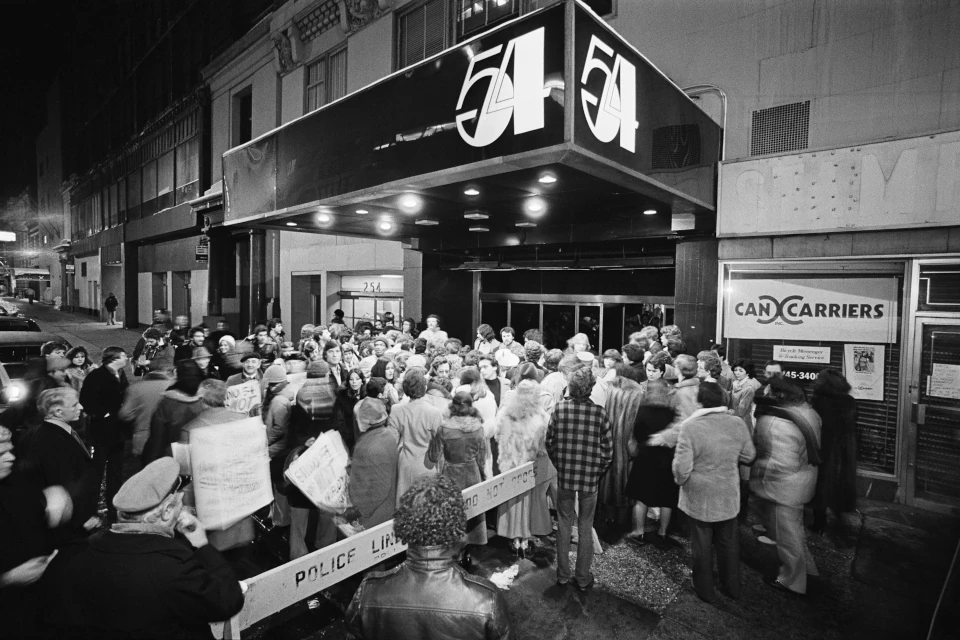
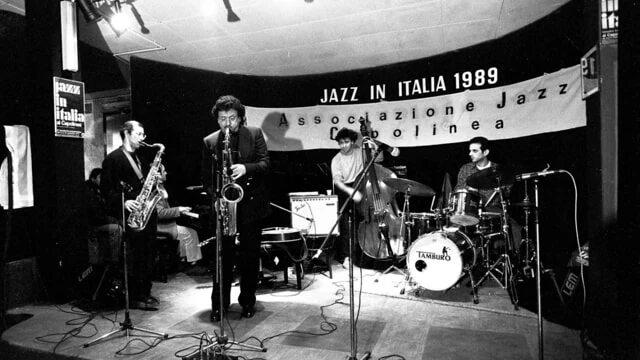
In the 1970s and 1980s, the Italian night club scene underwent a significant transformation. While the Roman Dolce Vita still maintained its charm, the growing popularity of discotheques began to change the landscape of nightlife entertainment. Venues such as the Capolinea in Milan, famous for its jazz programming, marked the peak of an era in which night clubs were still symbols of a sophisticated and innovative entertainment culture. However, the rise of discotheques—with their large spaces, psychedelic lights and loud dance music—began to shift attention away from traditional variety entertainment toward an experience more focused on dancing and mass socialization.
This evolution marked the decline of traditional night clubs, which gradually lost ground to discotheques. These offered an environment better suited to the tastes of new generations, with musical programming centered on disco music and later on house and techno, genres that dominated the international scene.
Italian Night Clubs Today: Adult Entertainment and Strip Shows
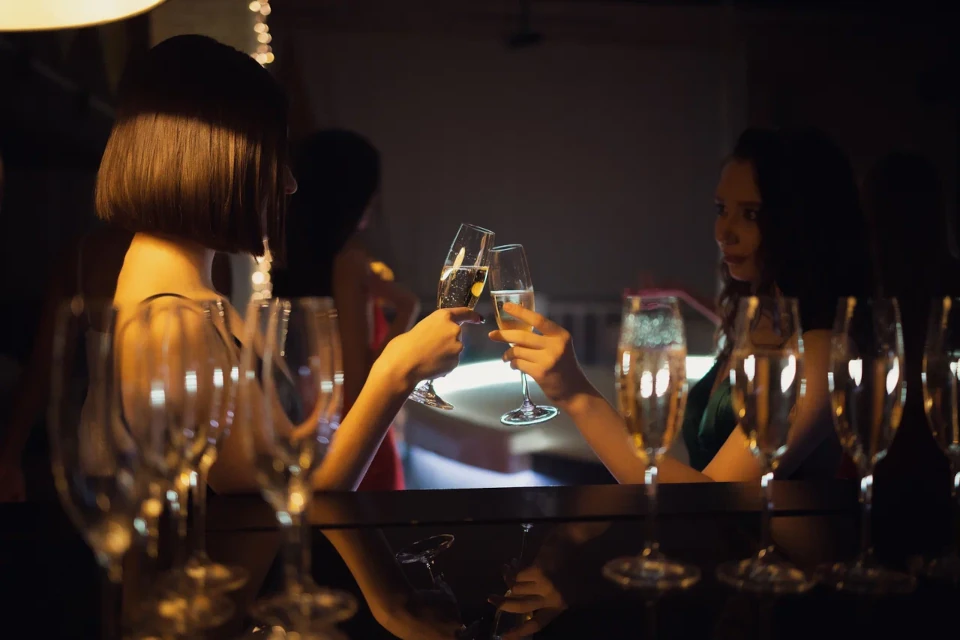
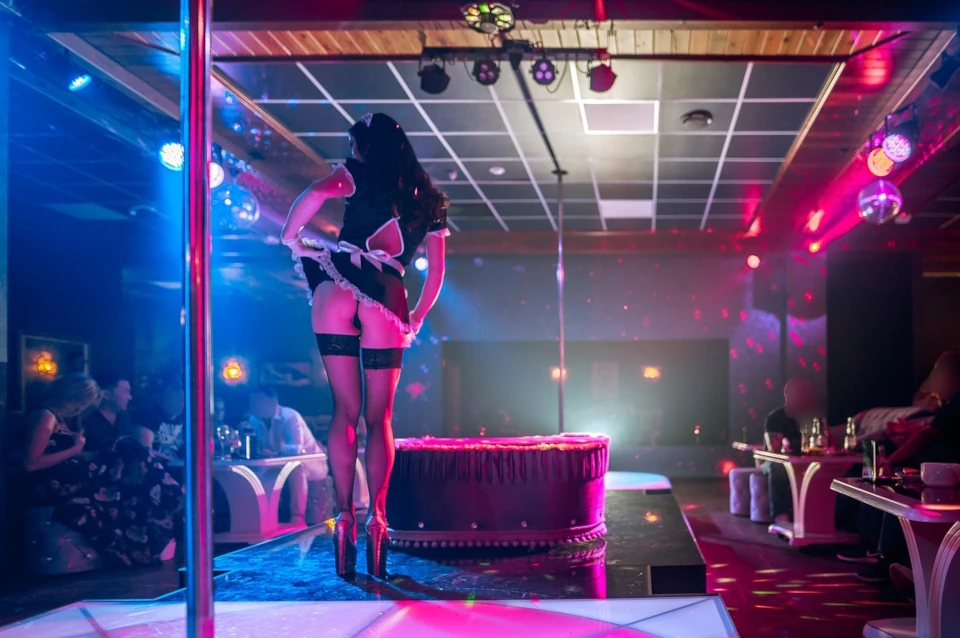
Today, the reality of night clubs in Italy has evolved even further, often becoming connected to the world of adult entertainment. Many of these venues have abandoned the glamorous and artistic image of the night clubs of the past, focusing mainly on striptease shows and other forms of adult entertainment. The women working in these venues often encourage customers to purchase drinks to enjoy in their company, with the possibility of buying additional services, such as access in some clubs to private rooms for a strip performance.
These venues, which are closer to the model of American lap dance clubs, represent a significant part of the current nightlife scene in Italy. However, there are still a few venues that try to keep alive the tradition of the night club as a place of shows and varied entertainment, organizing events that combine live music, artistic performances and themed evenings. Although increasingly rare, these clubs offer an alternative for those seeking a more refined experience that is less focused exclusively on adult entertainment.
Conclusion: An Identity in Evolution
Italian night clubs have undergone numerous transformations over the decades, reflecting the social, cultural and economic changes of the country. From meeting places for the cultural elite to centers of musical innovation, and eventually becoming venues dedicated to adult entertainment, night clubs continue to evolve, adapting to the needs of new generations and global trends. Despite these transformations, these venues remain an integral part of the history of entertainment in Italy, a legacy that continues to influence the country’s nightlife culture.
▪ Bagaglino Roma
▪ dal film Tabarin di lusso(champagne)
▪ Piper Club Roma
▪ Studio 54 New York
▪ Capolinea Jazz Club
▪ Consumazioni Night Club
▪ Strip Night Club
▪ Continua Evoluzione

History of Italian Gentlemen’s Clubs
Italian Gentlemen’s Clubs: The Origins
Italian night clubs have their roots in the cabarets and nightlife venues of the early twentieth century, inspired by French café-chantant and German cabarets. During the period between the two World Wars, venues such as the Tabarin in Milan and the Bagaglino in Rome became famous for their variety shows, which combined music, dance and comedy performances. These clubs offered a mix of sophisticated entertainment that appealed to an audience made up of the cultural and social elite of the time. The charm of these venues lay in their ability to create an exclusive atmosphere, where a sense of transgression and freedom could be felt—elements that were particularly valuable during a time of strict censorship.
Il Bagaglino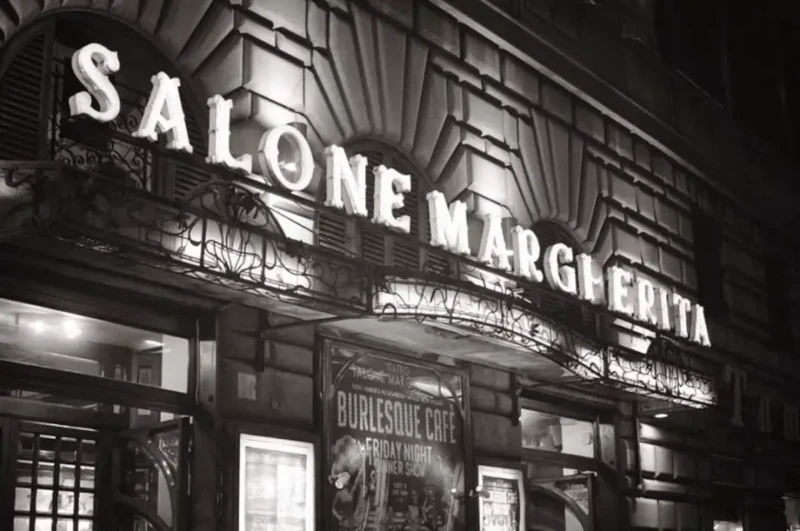 Tabarin Dal Film (Champagne)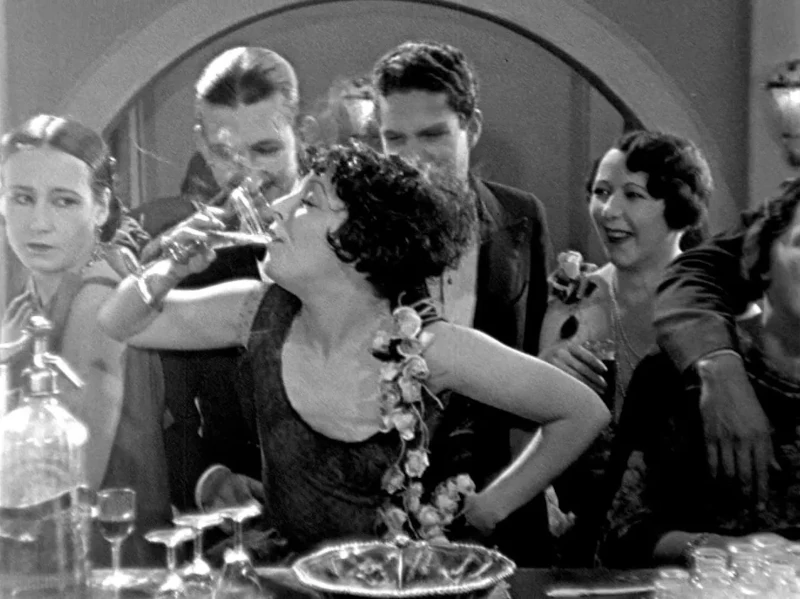
The 1950s and 1960s: The Golden Age of Night Clubs
During the 1950s and 1960s, night clubs in Italy experienced a period of great prosperity, fueled by the economic growth of the post-war years and the emergence of a new youth culture. The Roman Dolce Vita made venues such as the Piper Club, opened in 1965, and the Cabala famous, turning them into meeting places for both international and Italian celebrities. These clubs offered high-quality shows that combined music, dance and theatrical performances, attracting a fashionable clientele eager to be part of a social and cultural elite. Evenings at the Piper Club, for example, often featured performances by emerging artists and international bands, bringing a wave of modernity to the Italian music scene.
During this period, night clubs were not only places of entertainment but also true centers of cultural innovation, where new musical and artistic trends began to take shape. In addition to shows, many of these venues offered high-level dining services and a wide selection of drinks, creating a complete experience for their guests. Famous orchestras, such as those led by Renato Carosone and Marino Marini, animated the evenings with performances that skillfully blended tradition and modernity, contributing to a unique and unforgettable atmosphere.
Piper Club Roma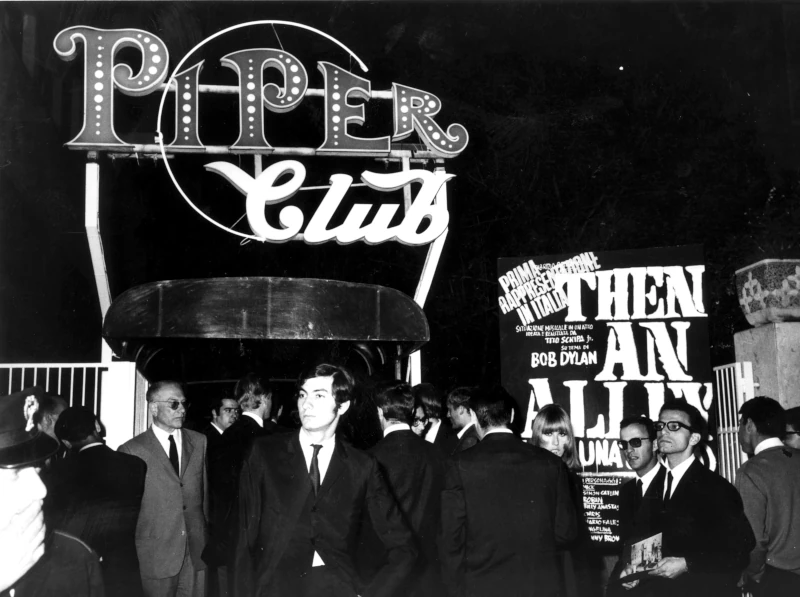
The 1970s and 1980s: The Transformation of the Nightlife Scene
During the 1970s and 1980s, the night club scene in Italy underwent a significant transformation. While the Roman Dolce Vita still retained its charm, the growing popularity of discotheques began to change the landscape of nightlife entertainment. Venues such as the Capolinea in Milan, famous for its jazz programming, marked the peak of an era in which night clubs were still symbols of a sophisticated and innovative entertainment culture. However, the rise of discotheques, with their large spaces, psychedelic lights and loud dance music, began to shift attention away from traditional variety entertainment toward an experience more centered on dancing and mass socialization.
This evolution marked the decline of traditional night clubs, which gradually lost ground to discotheques. The latter offered an environment better suited to the tastes of new generations, with musical programming focused on disco music and later on house and techno, genres that dominated the international scene.
Capolinea Jazz Club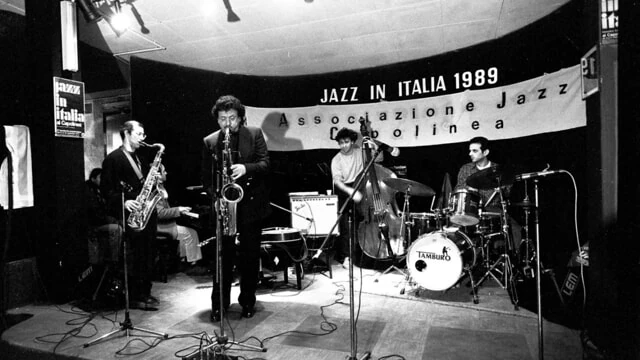 Studio 54 New York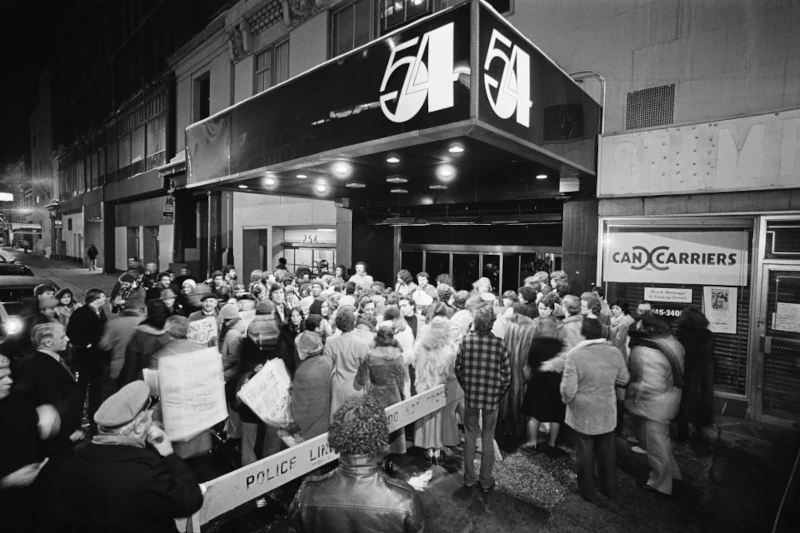
Night Clubs Today: Adult Entertainment and Strip Shows
Today, the reality of Italian night clubs has further evolved, often becoming linked to the world of adult entertainment. Many of these venues have abandoned the glamorous and artistic image of the night clubs of the past, focusing mainly on striptease shows and other forms of adult entertainment. The women who work in these venues encourage customers to purchase drinks to enjoy in their company, with the possibility of buying additional services, such as access in some clubs to private rooms for a strip performance.
These venues, which are closer to the model of American lap dance clubs, represent a significant part of the current nightlife scene in Italy. However, there are still some clubs that try to keep alive the tradition of the night club as a place of shows and varied entertainment, with events that combine live music, artistic performances and themed evenings. These clubs, although increasingly rare, offer an alternative for those looking for a more refined experience that is less focused on adult entertainment.
.
Consumazioni al Night Club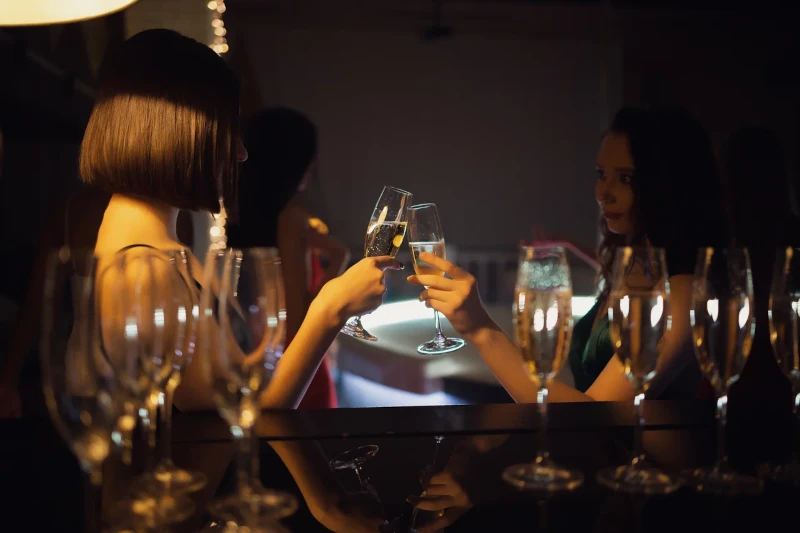 Striptease Night Club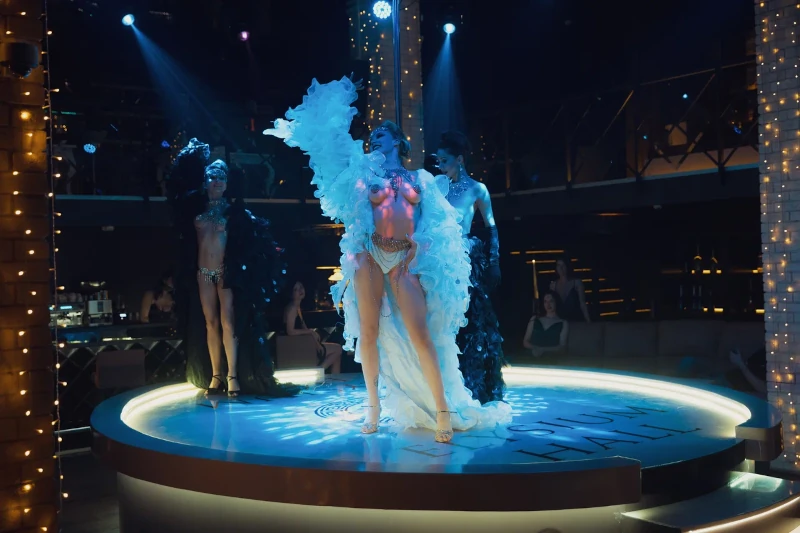
Conclusion: An Identity in Evolution
Italian night clubs have undergone numerous transformations over the decades, reflecting the country’s social, cultural and economic changes. From meeting places for the cultural elite to centers of musical innovation, and eventually becoming venues dedicated to adult entertainment, night clubs continue to evolve, adapting to the needs of new generations and global trends. Despite these transformations, these venues remain an integral part of the history of entertainment in Italy, a legacy that continues to influence the country’s nightlife culture.
“Scopri Dove La Notte Prende Vita”


Scopri dove la notte prende vita

